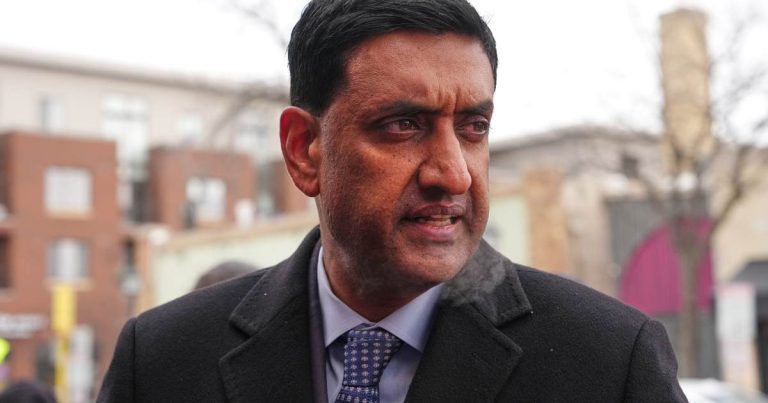
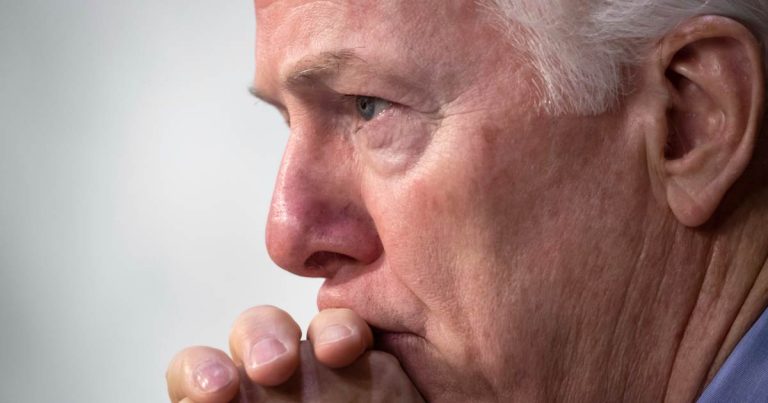
Incoming Michigan senator Abdul El-Sayed answered Sen. John Kennedy’s criticism of Medicare for All with a personal attack, turning a dispute over healthcare costs into an argument about character. According to RedState, Kennedy, the Louisiana Republican, challenged the financial case for El-Sayed’s proposal. El-Sayed responded by accusing Kennedy of wanting to deny people their basic needs and making a pointed reference to spelling his name with three Ks. That response supplied plenty of heat. It did not explain how the healthcare proposal would be financed.
The exchange also drew President Donald Trump into the discussion, though his position needs to be kept separate from El-Sayed’s pitch. RedState reported that Trump reposted El-Sayed’s “TrumpCare” tweet without commenting. El-Sayed has been directing his healthcare argument at the president, including a post using the name “TrumpCare.” But a repost without explanation does not establish agreement with the policy behind it. Nothing in Trump’s reported response settles whether he supports El-Sayed’s proposal, its costs or its promises.
Medicare for All Criticism Meets a Personal Jab
El-Sayed’s response to Kennedy left little doubt about the tone he wanted to strike. He wrote: “Moral of the story: Don’t take healthcare lessons from a guy whose entire political philosophy is about denying you your basic needs (And maybe don’t take math lessons from a guy who spells Kennedy with three Ks). Takes 5 seconds listening to this guy to understand why Trump is so willing to work across the aisle.” The three-Ks remark carried an apparent Ku Klux Klan insinuation, which RedState sharply criticized. It was a personal swipe, not a rebuttal of Kennedy’s cost concerns. Readers can assess that rhetoric without treating El-Sayed’s characterization of Kennedy’s motives as an established fact.
Read El-Sayed’s post on Twitter
Kennedy’s challenge, as RedState described it, concerned whether the numbers behind the proposal add up. That is a question any sweeping healthcare plan should have to answer, regardless of who proposes it. Accusing a critic of hostility toward people’s basic needs does not show that the critic’s financial objection is wrong. Nor does a personal insult establish that the promised benefits can be delivered. The useful debate is about what Americans would receive, what they would pay and how those obligations would be funded. The exchange described by RedState did not resolve those questions.
Rand Paul Challenges the Promise of Savings
Sen. Rand Paul, the Kentucky Republican, also challenged the proposal’s cost and the suggestion that it would be free, according to RedState. El-Sayed answered with another accusation about a Republican critic’s priorities. “Trumpcare for All would save the average American thousands of dollars a month. You just care more about protecting Big Insurance and Big Pharma to admit it. Donald, come get your boy.” That is a substantial savings claim paired with an allegation about Paul’s motives. Neither becomes proven simply because it appears in an emphatic social media post.
Read El-Sayed’s follow-up post on Twitter
The distinction between savings and costs matters here. A claim that Americans would save money is not, by itself, an explanation of how a healthcare system would be financed. Likewise, calling a proposal expensive does not alone settle every argument about its possible benefits. What is missing from this exchange is a detailed financial comparison that would allow readers to judge the competing assertions. El-Sayed’s promise deserves scrutiny on its own terms. His accusation that Paul is protecting insurance and pharmaceutical interests is an allegation, not evidence that the promise holds up.
The replies featured by RedState showed how quickly the argument widened beyond the proposal itself. MAZE compared El-Sayed’s promise with claims made about Obamacare, writing: “That’s what Obama said about Obamacare. How’d that work out Abdul?” Another featured post, from Sue Knows Best, framed the broader issue around socialism and Marxism. Those reactions illustrate the political resistance El-Sayed faces, but they are commentary rather than a financial assessment. Neither a favorable slogan nor an unfavorable ideological label can substitute for examining the actual policy.
Read MAZE’s post on Twitter
Read Sue Knows Best’s post on Twitter
Trump’s Repost Leaves the Central Question Open
El-Sayed’s effort to attach Trump’s name to the proposal is politically notable because it seeks an opening beyond the usual partisan lines. Yet the president’s silence leaves that opening undefined. RedState reported no agreement from Trump, only the repost without comment. It would therefore be premature to describe the exchange as a healthcare alliance or a presidential commitment. El-Sayed can invite Trump into the argument, but he cannot supply Trump’s answer for him.
The immediate test for El-Sayed is whether he can move from attacking critics to answering them. As an incoming senator, he is promoting a proposal that would require support beyond his own social media audience. Personal jabs may attract attention, but they do not answer financing objections or demonstrate legislative support. Kennedy and Paul have challenged the price; El-Sayed has promised savings and questioned their motives. Until the financial argument is developed, the most consequential issue remains unresolved: whether the proposal can deliver what its advocate says it will.
Source: RedState
Moral of the story: Don’t take healthcare lessons from a guy whose entire political philosophy is about denying you your basic needs (And maybe don’t take math lessons from a guy who spells Kennedy with three Ks).
Takes 5 seconds listening to this guy to understand why Trump is… https://t.co/5VcwTiZkZm
— Dr. Abdul El-Sayed (@AbdulElSayed) November 22, 2026