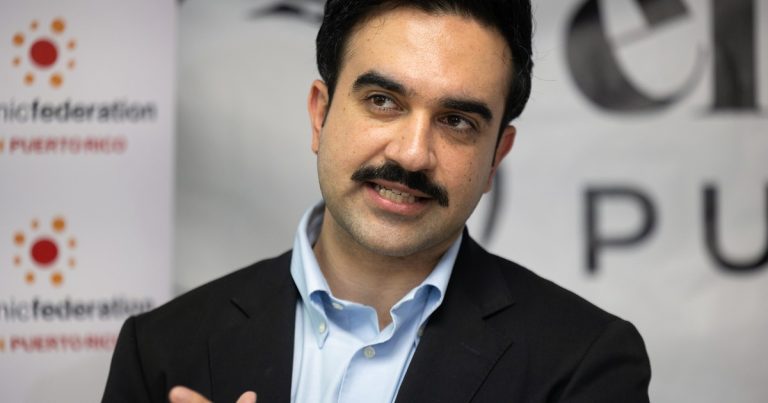
Sen. John Kennedy answered a racially charged attack from Michigan Senator-elect Abdul El-Sayed on Tuesday, pairing a sharp insult with a stated willingness to work together. The Louisiana Republican’s response followed El-Sayed’s suggestion that Kennedy’s name should be spelled with three Ks, a reference to the Ku Klux Klan. Kennedy said El-Sayed was entitled to his opinion, then challenged the Democrat’s support for Medicare for All. The exchange turned a healthcare disagreement into a personal clash between future Senate colleagues. Beneath the insults is a policy dispute that a clever comeback cannot settle.
Kennedy opened by saying he did not hate anyone and wanted to work with El-Sayed. He then invoked free speech before delivering the line that gave his response its bite: “How else would we know who the idiots are?” That was hardly a peace offering without conditions, but neither was it a demand to silence his critic. Kennedy’s position was that El-Sayed could speak freely and face criticism in return. His response combined an invitation to cooperate with a clear refusal to let the personal attack go unanswered.
John Kennedy Responds to a Personal Attack
The dispute began Monday after Kennedy criticized El-Sayed’s push for Medicare for All, which Townhall described as one of the Democrat’s three major campaign promises. El-Sayed responded by attacking both Kennedy’s politics and his character. “Moral of the story: Don’t take healthcare lessons from a guy whose entire political philosophy is about denying you your basic needs (And maybe don’t take math lessons from a guy who spells Kennedy with three Ks),” he wrote. The parenthetical was a KKK insinuation, not an argument about healthcare financing. It offered no evidence of a Klan connection.
Kennedy answered the personal side of the dispute with another joke, saying he generally did not worry about others’ opinions of him, with an exception for dogs. “I really like dogs. I care what dogs think, but otherwise, you know, Abdul can say what he wants.” The humor helped him dismiss the attack without spending his entire response defending his character. More importantly, he returned to El-Sayed’s healthcare position rather than leaving the exchange at competing insults. That shift put the argument back on ground where both men owe voters substantive answers.
The Healthcare Argument Behind the Insults
El-Sayed had floated calling Medicare for All “Trumpcare,” a proposal that would attach the president’s name to a policy associated with Bernie Sanders. Townhall characterized the idea as a bet that Trump’s branding could improve its chances of passage. But a new name would not, by itself, answer objections to how the program would work. Kennedy’s criticism focused on the coverage arrangements he said it would replace and the money he said it would require. Those questions deserve an answer independent of whether either politician lands the better punch line.
Kennedy argued that Sanders’ plan would eliminate existing Medicare, Medicaid, Obamacare exchanges and private insurance in favor of a new government program. He said about 200 million Americans receive insurance through their employers and would have to surrender that coverage under the proposal he described. He also put its cost at $3.5 trillion a year. Those are Kennedy’s claims about the plan, not independently established findings in this exchange. The distinction matters because describing a sweeping proposal and demonstrating its precise effects are different tasks.
Kennedy framed his opposition around wanting cheaper and better healthcare, rather than rejecting the need for improvement. El-Sayed, meanwhile, cast Kennedy’s political philosophy as denying people basic needs. Those competing descriptions show how quickly a dispute about the means of providing care can become an accusation about motives. Neither a declaration of good intentions nor an attack on an opponent’s character settles questions about coverage, financing or access. For voters, the useful debate is over what would change, who would pay and what patients would gain or lose.
Trump’s Opening Does Not Settle the Policy
The exchange came days after President Trump signaled that he was willing to work with Democrats on healthcare. In remarks shared November 20, 2026, Trump said cooperation could produce great healthcare and suggested it could be more productive than dealing with Republicans. El-Sayed also invoked Trump’s willingness to work across the aisle in his attack on Kennedy. But openness to negotiation is not the same as endorsement of Medicare for All. Nothing in the remarks presented establishes that Trump accepted El-Sayed’s proposal or Kennedy’s description of its consequences.
Trump’s remarks were shared by Headquarters on X: read the post.
The immediate contrast is clear: El-Sayed used a KKK reference against a policy critic, while Kennedy answered with ridicule and renewed objections to the program. Kennedy also said he wanted to work with the incoming senator, leaving room for cooperation despite the hostility. Whether that opening produces anything substantive is unanswered. So are the practical questions raised by the healthcare proposals under discussion. A bipartisan label, a presidential brand and a memorable insult may attract attention, but none substitutes for explaining what Americans would actually receive and what they would be asked to give up.
Source: Townhall
🚨 LMFAO! Sen. John Kennedy just DROPPED this line on Senator-elect Abdul El Sayed calling him racist
"I believe in free speech — how else would we know who the IDIOTS are?"
"I try not to worry too much what anyone thinks about me. Except DOGS. I really like dogs, I care what… pic.twitter.com/vWH08lfGM0
— Eric Daugherty (@EricLDaugh) November 24, 2026